What is E-commerce Marketing?
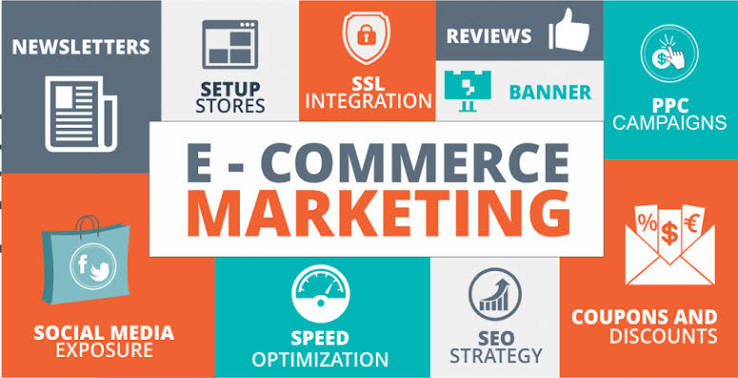
E-Commerce marketing is the process of promoting an online store and its products to attract visitors, convert them into customers, and encourage repeat purchases. It uses digital channels such as search engines, social media, email, and paid advertising to increase sales.
Marketing techniques for online businesses involve engaging customers, driving traffic to websites, and enhancing sales. Ecommerce marketing allows a company to market products digitally. Keep changing strategies periodically as per market updates, customer needs, and technological updates and use several types of marketing strategies to enable rapid business growth in a long run.
7 Successful Marketing Strategies for E-commerce
Running an online store is not just about listing products and waiting for customers to buy. Thousands of e-commerce websites compete for attention every day, which is why a well-planned marketing strategy is essential. E-commerce marketing uses different digital channels to attract the right audience, build trust, and increase sales. Below are the seven most effective types of e-commerce marketing and how they help an online business grow.
1. Search Engine Optimization (SEO)
Search Engine Optimization (SEO) Search engine optimization is the practice of upgrading an online store so that it ranks higher in the list of search results. A critical aspect of e-commerce marketing, SEO boosts the ranking of the Web site. The more visible a Web site is online the more traffic will land on it. Most people tend to look to the first page of results, so SEO will direct traffic to your website as naturally, as it is possible, driving sales directly without paying each time someone visits.

2. Pay-Per-Click (PPC) Advertising
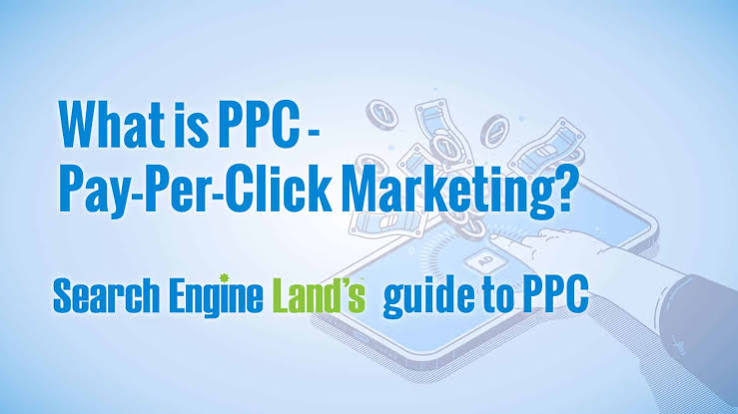
Pay Per Click (PPC) marketing is a kind of paid advertising in which the companies pay the users only when they click on their ads. As a type of e-commerce marketing, Google Ads, Microsoft Advertising also helps various online stores advertise to the customers that are searching for products and gain their clicks to grow traffic on their websites.
The main benefit of PPC is speed. When SEO takes time to produce results, paid advertising can bring you visitors from day one. For those involved ine-commerce marketing, you can determine your budget, target particular areas and audiences, monitor the progress of your campaigns, and quickly increase traffic to your website, attract potential buyers, and drive online sales.
3. Social Media Marketing
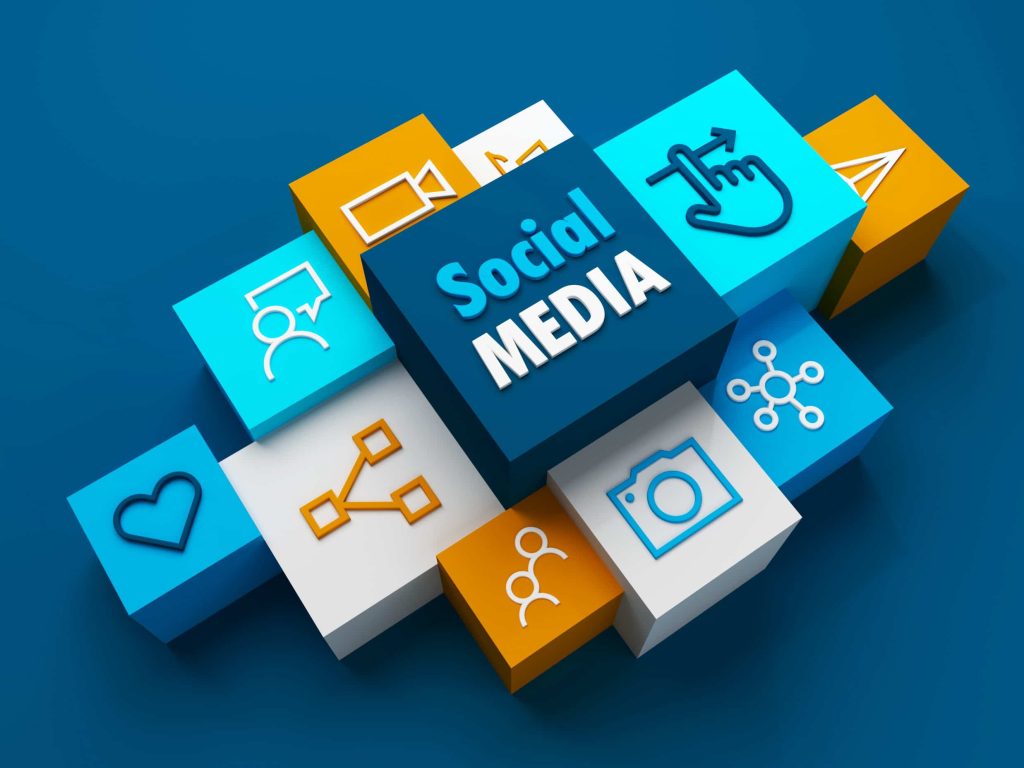
Today social media marketing offers opportunities to connect to your audience in places like Instagram, Facebook, TikTok, Pinterest and Linkedin. This can also be an effective for e-commerce marketing , which combines selling goods/services and the development of meaningful relationships, rather than exclusively driving sales.
Videos (short), product demos, quality pictures, videos showing what is behind the scenes will entice people to connect to their e-commerce promotions. Continually interacting with them increases brand image and customer retention.
4. Email Marketing
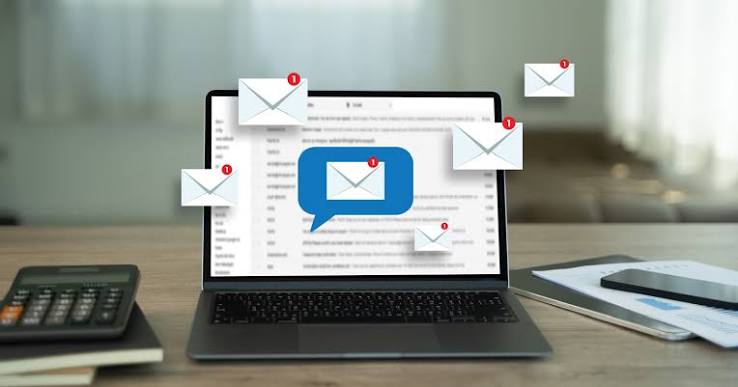
Email marketing is one of the best ways to reach your customers. Once someone becomes a subscriber of your newsletter or places an order, e-commerce marketing enables you to reach those customers with personalized emails with product recommendations, discounts, holiday promotions, or details of your latest products or articles. These messages make the customers more engaged and result in more purchases and loyalty from the customer in the long term. E-commerce marketing allows you to stay connected with the customers.
Additionally, e-commerce marketing applies abandoned cart reminders that influence prospects and shoppers to pursue their incomplete orders and check them out. Since an email is a customer’s private space, it’s effective for building enduring relationships, generating loyalty, and creating more avenues of repeating orders while carefully chosen and utilized; special offers, and personalized notifications boost engagement & increase your company visibility.
5. Content Marketing
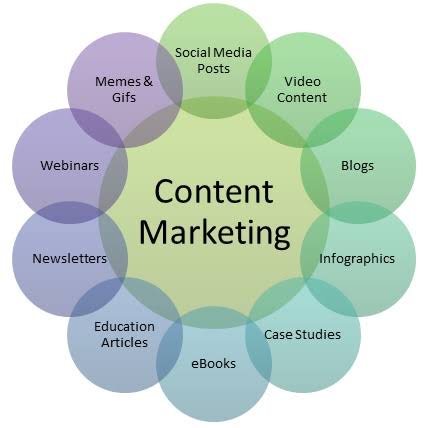
The purpose of content marketing is to provide content that can aid your audience when making their purchasing decisions. The implementation of content strategies in an ecommerce marketing plan draws in prospects through useful resources. Instead of a marketing team trying to aggressively market its products, a business will use the e-commerce marketing tactic of publishing blogs, buying guides, and how-to instructions, videos, question and answer segments and articles pertaining to their industry to reach and engage their audience and make them feel at ease when making a purchase.
Content can be very beneficial for e-commerce marketing as it is a way to gain customer trust, answer all their questions, and help them rank well in search results. With successful e-commerce strategies in place, businesses can publish informative content that will ultimately educate and assist customers with their decisions. It sets a business up as an authoritative information hub where customers will turn when the time is right to buy.
6. Influencer Marketing
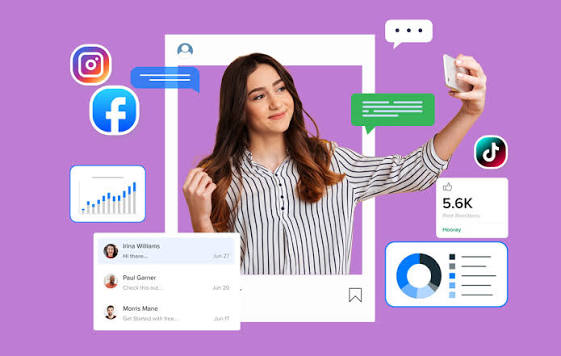
11. Influencer Marketing Influencer Marketing is an impactful approach in eCommerce marketing in that it focuses on partnering up with influential content creators who have earned loyal fans and followers within their specialized fields. In exchange for their reviews, demonstrations, or stories, influencers present a brand or its products to a wider audience through credible recommendations. Utilizing this approach within eCommerce marketing allows businesses to broaden awareness, foster trust and generate more sales.
If e-commerce companies select influencers based on the fact that they share the same targeted population, e-commerce marketing campaign will generally yield higher levels of interaction than traditional ads. Authentic product reviews and demonstration in real-life setting further boost consumer confidence.
7. Affiliate Marketing
Affiliate marketing Is an e-commerce advertising model which can refer to a commission based type where a blogger, publisher, or even a website site promotes the product from a specific company by sharing a personalized referral link and receiving payment for any customer that clicks the link and buys it online.
Artificial marketing utilizes technology and data analysis to better serve customer needs and optimize marketing tactics. These efforts bring companies and customers closer by using automation to personalize every aspect of a consumer’s marketing experience and deliver an improved overall experience. The use of AI in e-commerce marketing increases sales via personalized product recommendations, helps with customer service and ensures that the correct targets are being approached.

Conclusion
Each type of e-commerce marketing serves a different purpose, but they work best when combined into a single strategy. SEO builds long-term visibility, PPC delivers quick traffic, social media strengthens brand awareness, email encourages repeat purchases, content builds trust, influencer partnerships expand reach, and affiliate marketing helps generate additional sales. By understanding and using these methods together, e-commerce businesses can attract more customers, improve conversions, and create sustainable growth in a competitive online marketplace.